Profit Loss Form AlternativeThe statement and the return.
Someone wants the return, and the year on it was never closed to the statements.
Show the yearShow the year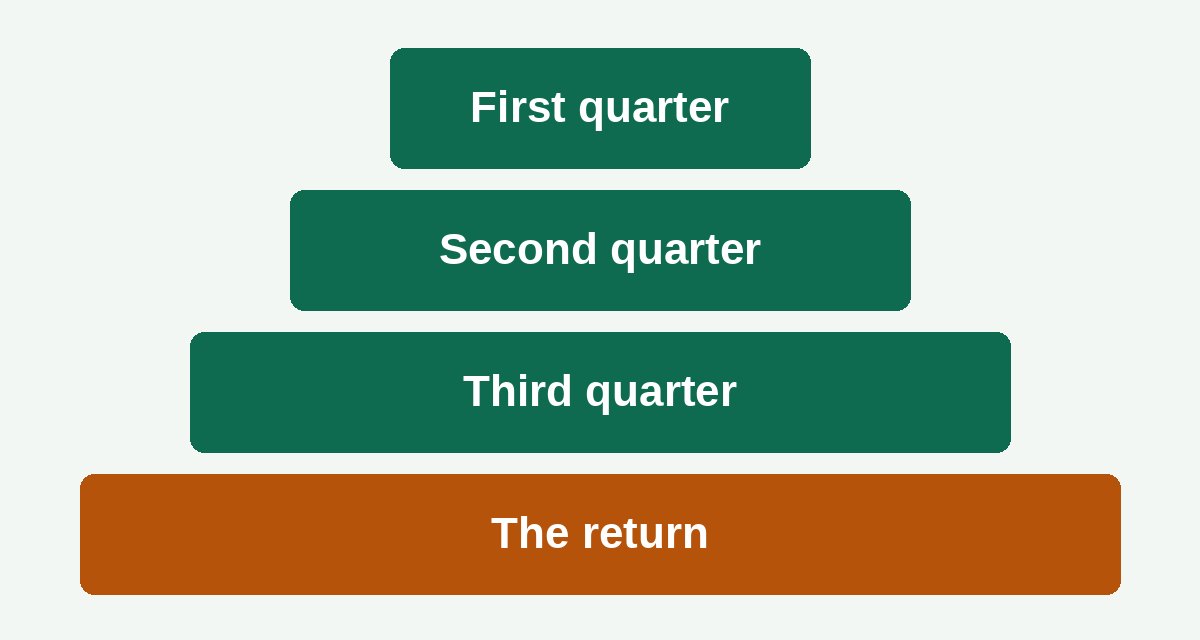
The return reads closed months. It does not repair them.
Click to read the filing ›Tap to read the filing ›
A return is a reading of a year whose months already match the statements. If a month is open, the return waits, or the work stops, before a figure is placed on a filing form. An extension can move a filing day. It does not tie a statement, and it does not turn a draft page into a closed one.
The profit page and the return should be able to introduce each other. Revenue on the page and revenue on the return are the same idea for the same year. Differences belong in a written bridge, the book-to-tax notes, not in a silent edit the night before a deadline. If we cannot write the bridge, we do not file over the gap.
Quarterly payments follow the closed months, not last year's memory.
Click to read the quarter ›Tap to read the quarter ›
A quarterly payment is sized from the months already tied to the statement, not copied from a voucher that described a different year. When the page shows the year has changed, the payment should change in the month the change shows up. Waiting for the return to discover the change is how a surprise gets large.
Bring the last month you believe matches the statement, and say whether a payroll report exists. That pair tells us whether the year you have in mind can be filed from real months. A hope that the year is mostly fine is not a month. The button sends the pair. It does not file anything. Say the filing day you have in mind as well. A filing day with no closed month under it leaves the year unready. An open March keeps the whole year waiting.
Name the open year

You will be talking to the Steven Palmieri practice.